The plan was simple: walk around the house, take photos, figure out what’s actually going on.
I do this in my head constantly. The basement has a running aquaponics system, a grow tent, a 3D printer, and my daughter’s art room all within 600 square feet. The backyard has three dead beehives, a hockey rink, a treehouse with a solar panel nobody’s using, and a thousand-liter water tank sitting against the house connected to nothing. The front yard is accidentally a wildflower meadow because I stopped mowing the edges in April and apparently that’s all it takes.
I know all of this. I think about all of this. And then I go upstairs and forget most of it because there’s no system that holds it.
That’s the whole point of what I’m building.
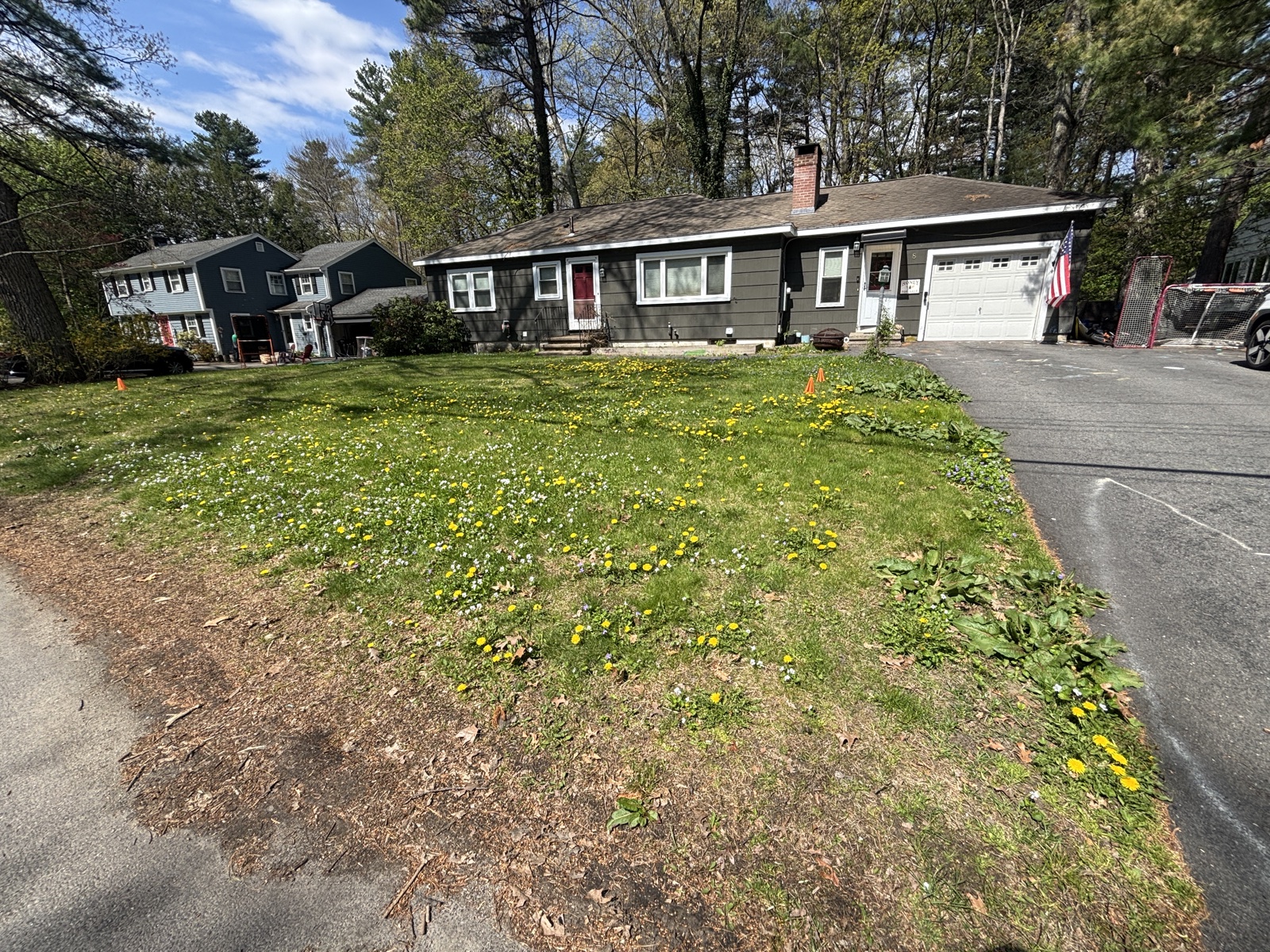 The front yard right now. I didn’t plant any of this. The colony arrives Thursday.
What I found when I actually looked.
The heater in the grow tent had been smoking. I knew this — I’d pulled it out and set it outside to cool in the fire pit. What I didn’t fully reckon with until I saw the photos: that’s a submersible heater running in a toolbox repurposed as a reservoir. When the water drops low enough, it runs in air. That’s not a plant problem, that’s a fire problem. An $8 float switch wired to a relay fixes it permanently. I’d been meaning to do it for two weeks.
The honey spill. There’s crystallized honey pooled under the shelving in the laundry room — a ping pong ball is sitting in it, which I didn’t notice when I took the photo. That’s been there long enough to harden. I said “a couple hours” in my voice memo while walking past it. That was three weeks ago.
The NFT system is actually thriving. I’ve been half-convinced it was struggling. It’s not struggling. The plants are healthy, the flowers are setting on the tomatoes, and everything in it is big and green and doing exactly what it should. The water I’ve been hauling in a bucket from the bathtub every few days is working. It’s just annoying, which is why I keep putting it off, which is why the reservoir runs low, which is why the heater smokes.
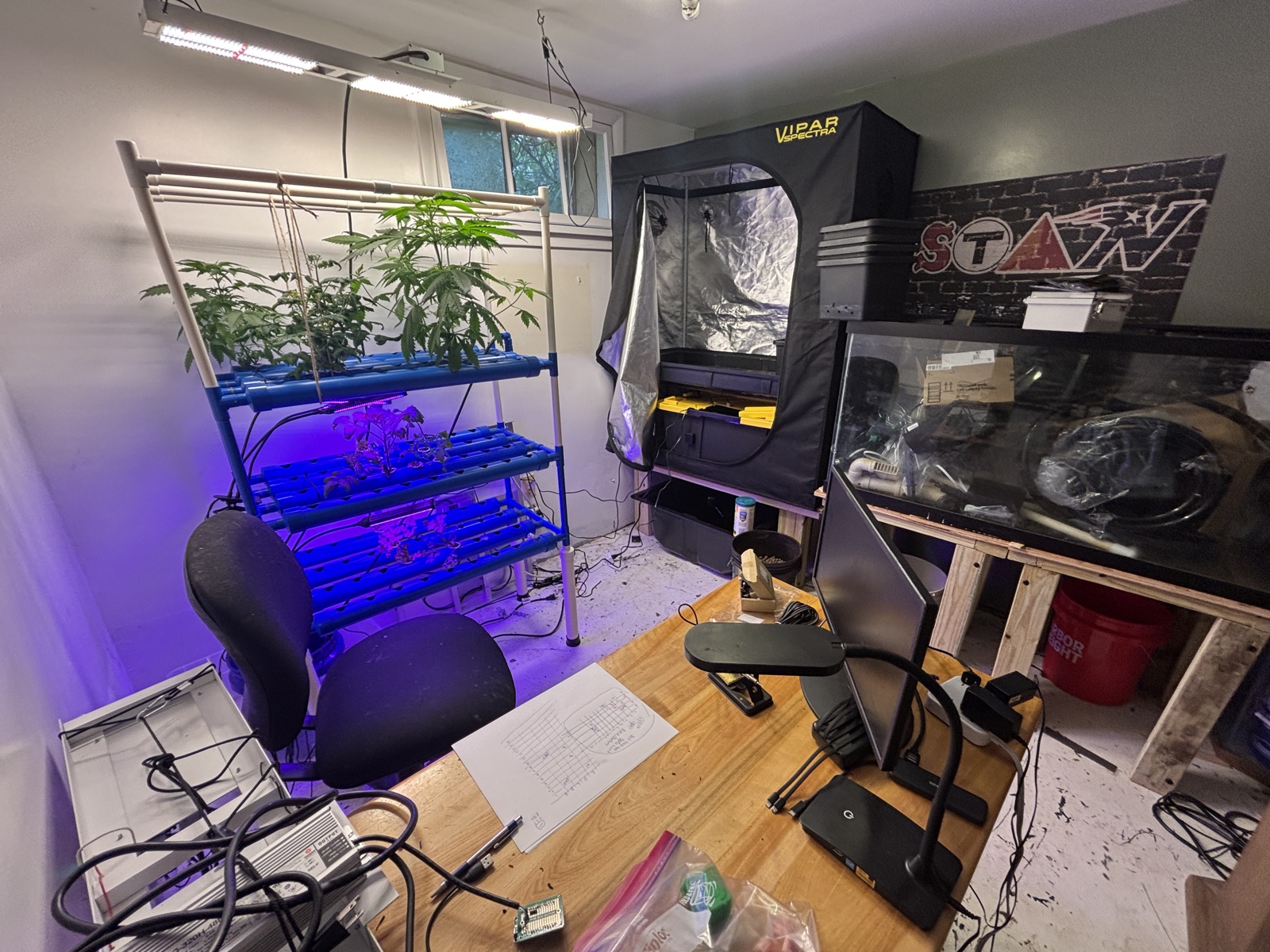 Node 1, basement. 600 square feet. NFT system lit, grow tent open, Bambu P1S on the right. This is what it actually looks like.
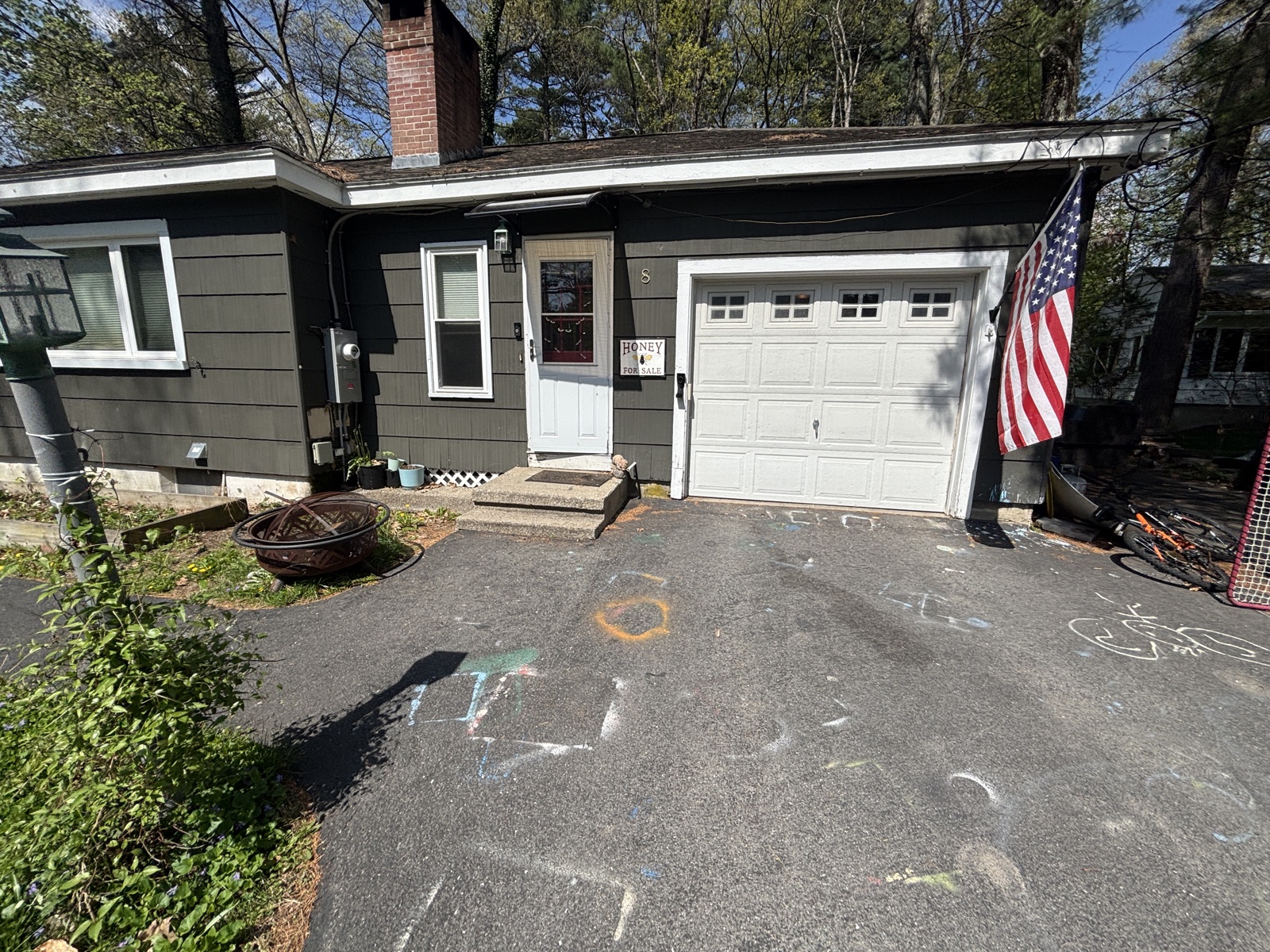
The wildflower lawn in the front yard is covered in dandelions and violets right now. A new bee colony arrives in three days. The timing is almost comically perfect — I didn’t plan it, the yard just did it. My “Honey For Sale” sign is visible from the street. The yard is the brand.
What the plants think of the situation.
The NFT system has tomatoes growing under a quantum board grow light. The tomatoes are flowering. I’ve been watering them by hauling a bucket up from the bathtub. That’s going to stop — the IBC tote on the side of the house holds a thousand liters, the basement window is three feet away, and a float valve costs $8.
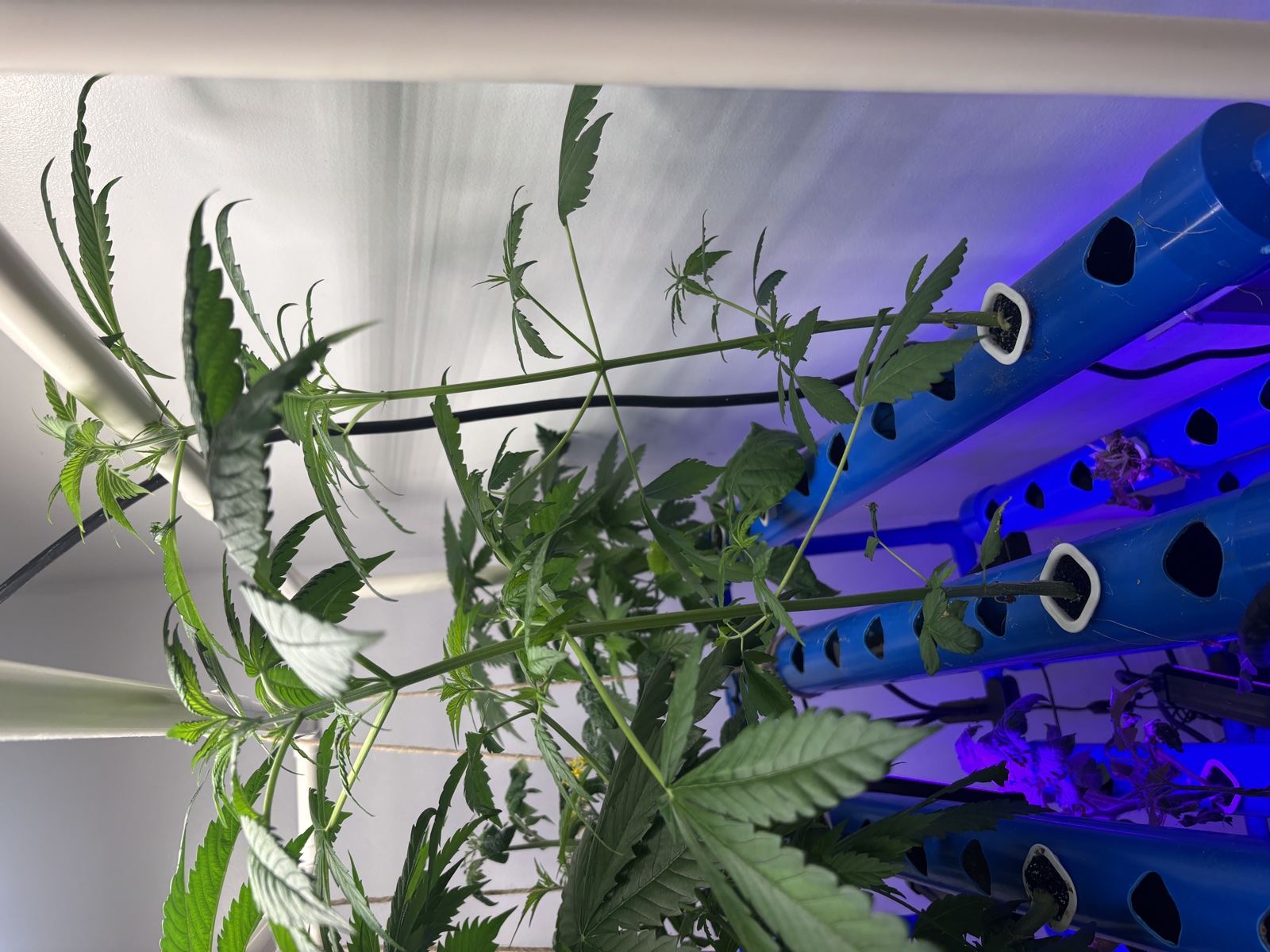 Upper tier of the NFT system. These are doing fine. Better than fine.
The whiteboard.
In the basement lab there’s a whiteboard that says “AKBS ✓” at the top, which means the aquaponics system is confirmed running. Below that it says “Firaquaponics,” which is a word I made up for something I’m still working out — a system where the fish waste feeds the plants feeds the fungi feeds the fish. Mycelial aquaponics. The mushrooms eat the plant waste, the fish eat the mushrooms, the plants eat the fish water. A closed loop that produces food at every node.
It’s ambitious. It’s maybe the next version of what’s already running in that room. The point is: the whiteboard exists. I wrote it down. The system is already thinking about its own next iteration.
What Home Kibbutz OS actually looks like from the outside.
It looks like a mess. Paint-spattered floors, wires running along the baseboard, a rasta lion tapestry next to a quantum board grow light, a Bambu Lab P1S printing a cat Batman mask next to a shelf of honey jars. The daughter’s art room is through that door — teal walls, drum kit, a hundred paintings. The Killercatfish logo was painted in there.
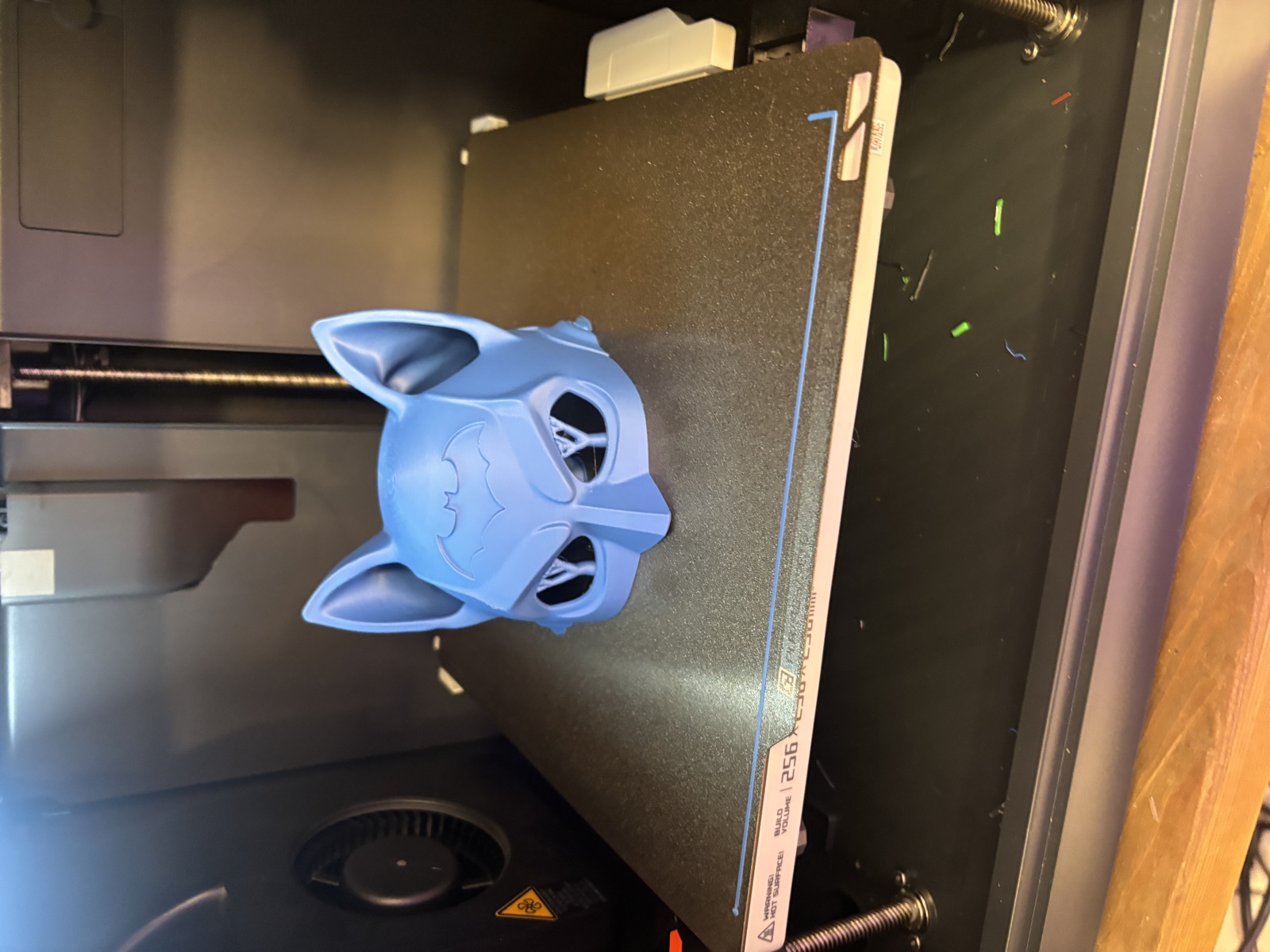 Tuesday afternoon. This is what the fabrication arm of the node looks like.
From the inside, it looks like a node that’s almost conscious of itself. Almost.
The solar panel on the treehouse is connected to nothing. The IBC water tank holds a thousand liters of nothing yet. The ESP32 light controller is soldered and compiled and blocked on a USB cable I haven’t bought. Three beehives are dead but the equipment is clean and the shed is fully stocked and the colony arrives Thursday.
These aren’t failures. They’re a to-do list. The difference between a pile of stuff and a working system is usually pretty small — a cable, an afternoon, a decision.
The closed loops.
One thing I noticed doing this audit: almost everything in the house already cycles. The Reencle composter on the kitchen counter takes the Gardyn prunings and turns them into amendment for the outdoor beds. The aquaponics system takes fish waste and turns it into plant fertilizer. The bees take the wildflower pollen and turn it into honey that goes in jars in the basement. The 3D printer takes filament and makes the parts the growing systems need.
None of these loops are fully closed yet. But they’re all trying to be.
That’s what HKOS is building toward — not a smart home full of apps, but a homestead that actually understands what it produces and what it needs.
The thesis, if you want one.
A homestead is a system that doesn’t know it’s a system. It produces things and consumes things and breaks down and gets repaired and keeps going, but nothing in it has awareness of the whole. The bees don’t know about the fish. The fish don’t know about the garden. The garden doesn’t know about the rain barrel.
HKOS is the connective tissue. Each sensor, each capture, each automated decision is the homestead becoming aware of itself. Not smart home stuff — that’s just appliances with WiFi. This is a node developing agency.
The audit was the first act of that. Ninety-seven photos and a brain dump and now there are six hundred words and a task list and the brain at brain.killercatfish.com has it all.
The heater cutoff gets wired this week. The colony goes in Thursday. The IBC gets connected this month.
The node is coming online.
Josh Gold is building Home Kibbutz OS from a basement in Acton, MA. Everything is open source eventually.
brain.killercatfish.com | goldshoney.com